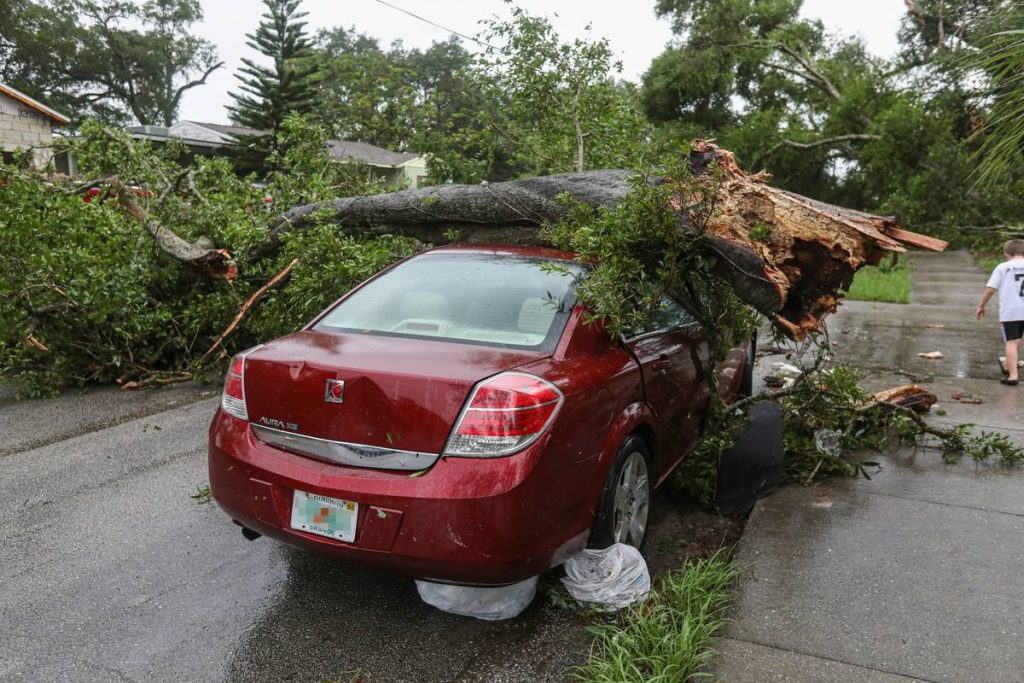
You book your rental car online, swipe your credit card at pickup—and assume you’re covered. But when the fender bends? Suddenly, your issuer says you didn’t use an approved vendor. That’s the brutal trap of missing the Partner Rental Agency List. Most travelers never check it—until they’re stuck paying $3,000 out of pocket for damages their card should’ve covered.
Why Standard Credit Card Rental Insurance Often Fails
Issuers like Chase Sapphire or Amex Platinum offer “free” collision damage waiver (CDW) coverage—on paper. In practice, that protection vanishes if your rental company isn’t on their secret roster. Enterprise? Hertz? Budget? All usually qualify. But local agencies, discount brokers, or third-party booking sites? Frequently excluded.
And here’s what banks won’t tell you: even if the rental agency name looks familiar, subsidiaries or franchisees might not count. You could be holding a valid card benefit—but with zero recourse—because you skipped one critical step: verifying against the official Partner Rental Agency List.
Step-by-Step Guide to Activate Your Coverage Correctly
Step 1: Identify Your Card’s Specific Policy
Not all premium cards cover rentals the same way. Visa Infinite offers CDW as secondary coverage; Mastercard World Elite may provide primary. Log into your issuer’s benefits portal—don’t rely on marketing blurbs.
Step 2: Locate the Official Partner Rental Agency List
This list lives in fine print—usually buried in your card’s guide to benefits PDF or under a “Travel Services” tab. Search for “eligible rental companies” or “authorized merchants.” Some issuers publish it only upon request.

Step 3: Book Directly—and Decline the Counter Insurance
Reserve through the rental company’s own site (not Expedia, Kayak, etc.), using your eligible card for the full payment. At pickup, politely refuse the loss damage waiver (LDW)—but confirm the agent logs your personal insurance election in writing.
Step 4: Document Everything
Take timestamped photos of the car’s condition before driving off. Keep your rental agreement, card statement, and the Partner Rental Agency List excerpt handy. If a claim arises, this triad proves you followed protocol.
| Rental Booking Method | Eligible for Card Insurance? | Risk Level |
|---|---|---|
| Direct via Hertz.com + eligible card | Yes (if on Partner Rental Agency List) | Low |
| Kayak → Local “City Wheels” agency | No—even with premium card | High |
| Enterprise counter booked with Amex Platinum | Usually yes | Medium (verify franchise status) |
| Turo or Getaround peer-to-peer | Never covered | Critical |

The Industry Secret: Coverage Can Vanish After Pickup
Even if you start with an approved agency, extending your rental beyond the original term—say, turning a 3-day trip into 5—can void your card’s insurance. Why? Because many policies require the entire rental period to align with the initial billing cycle tied to your card. Miss that detail, and the moment you add extra days, you’re uninsured. Rental agents rarely mention this. Banks quietly deny claims citing “term mismatch.” Always re-authorize extensions through your card issuer if possible—or treat any change as a new rental requiring fresh verification against the Partner Rental Agency List.
Frequently Asked Questions
Does my credit card cover rentals outside the U.S.?
Maybe—but only if the foreign agency appears on your card’s Partner Rental Agency List. Many international franchises (e.g., Avis Italy) qualify; independent operators rarely do.
Can I use debit cards with rental insurance?
No. Debit cards almost never offer CDW. Even prepaid or virtual cards tied to checking accounts lack this benefit. Stick to eligible credit cards.
What if the rental company isn’t on the Partner Rental Agency List?
Your card’s insurance won’t apply. Either switch agencies or buy the rental company’s LDW—better a $30/day fee than a $5,000 surprise later.